Impedance Test System Solutions
Combine the Phase Sensitive Multimeters precision generator and measurement channels with our range amplifiers, current sensors, and accessories to create impedance measurement systems covering 1m to 1T Ohm, using both passive and active techniques.
Impedance Solutions
Piezo (or Low Impedance) Test System
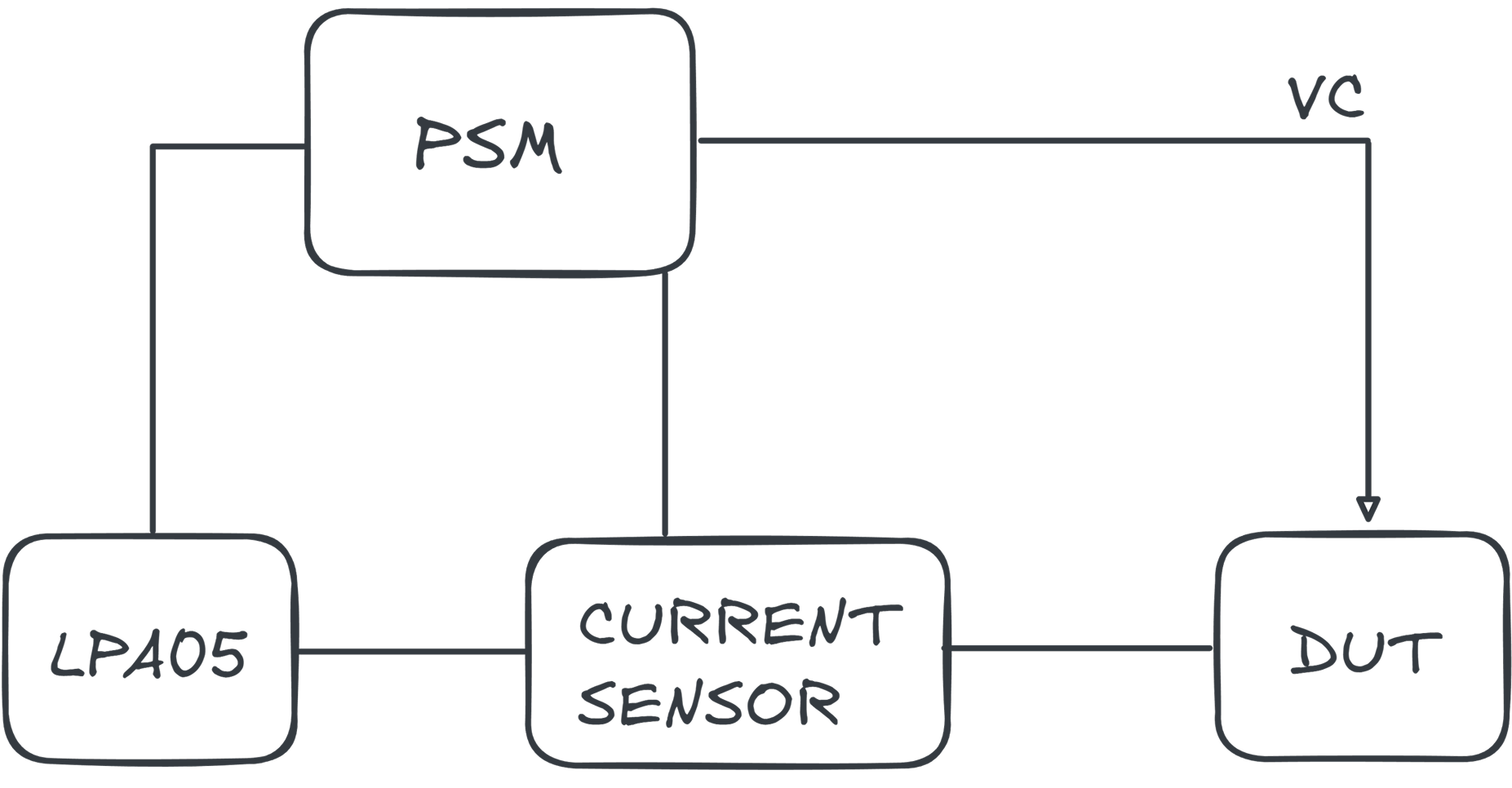
WHAT Low impedance testing with LPA01 or LPA05 Laboratory Power Amplifiers combined with PSM series frequency response analyzers.
WHY Increase the signal to noise level of current measurement in low impedance applications.
Offers
- Impedance measurement at a Piezo resonant point
- Low frequency impedance measurement on inductors
Electro Chemical (Fuel Cell) Impedance Testing
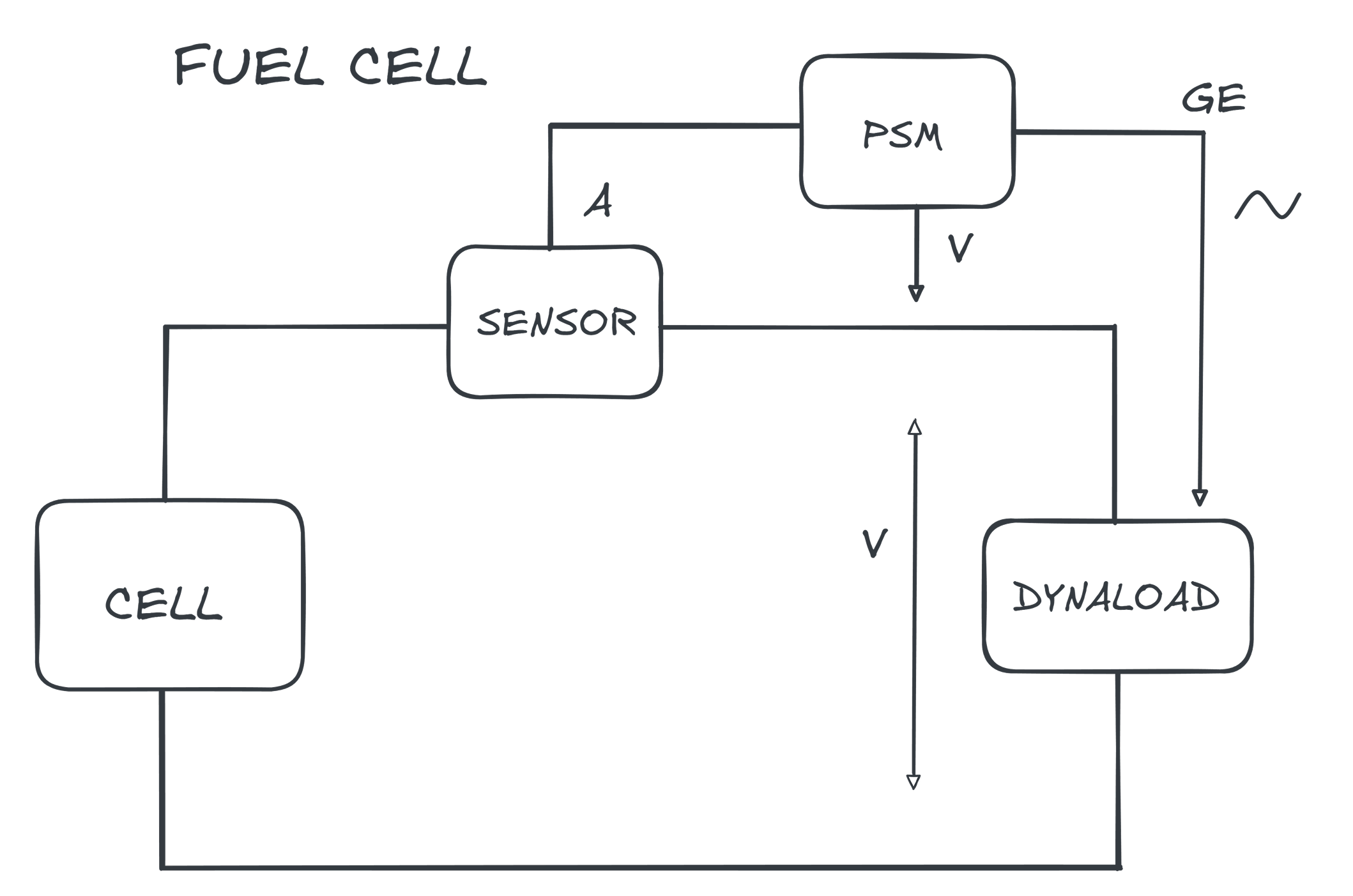
What Swept frequency impedance measurement of a working fuel cell or electrochemical process using a PSM series frequency response analyzer, dynamic load and external current sensor.
WHY Understanding the impact of rapid load changes in DC electrochemical systems requires knowledge of the AC impedance at frequencies associated with the load change.
Offers
- Injection of an AC disturbance into a high current DC system
- Swept impedance plot over the frequency range of interest
- Rejection of DC component to increase measurement accuracy
- Ability to measure impedance with low AC signal level
Battery (offload) Impedance Testing
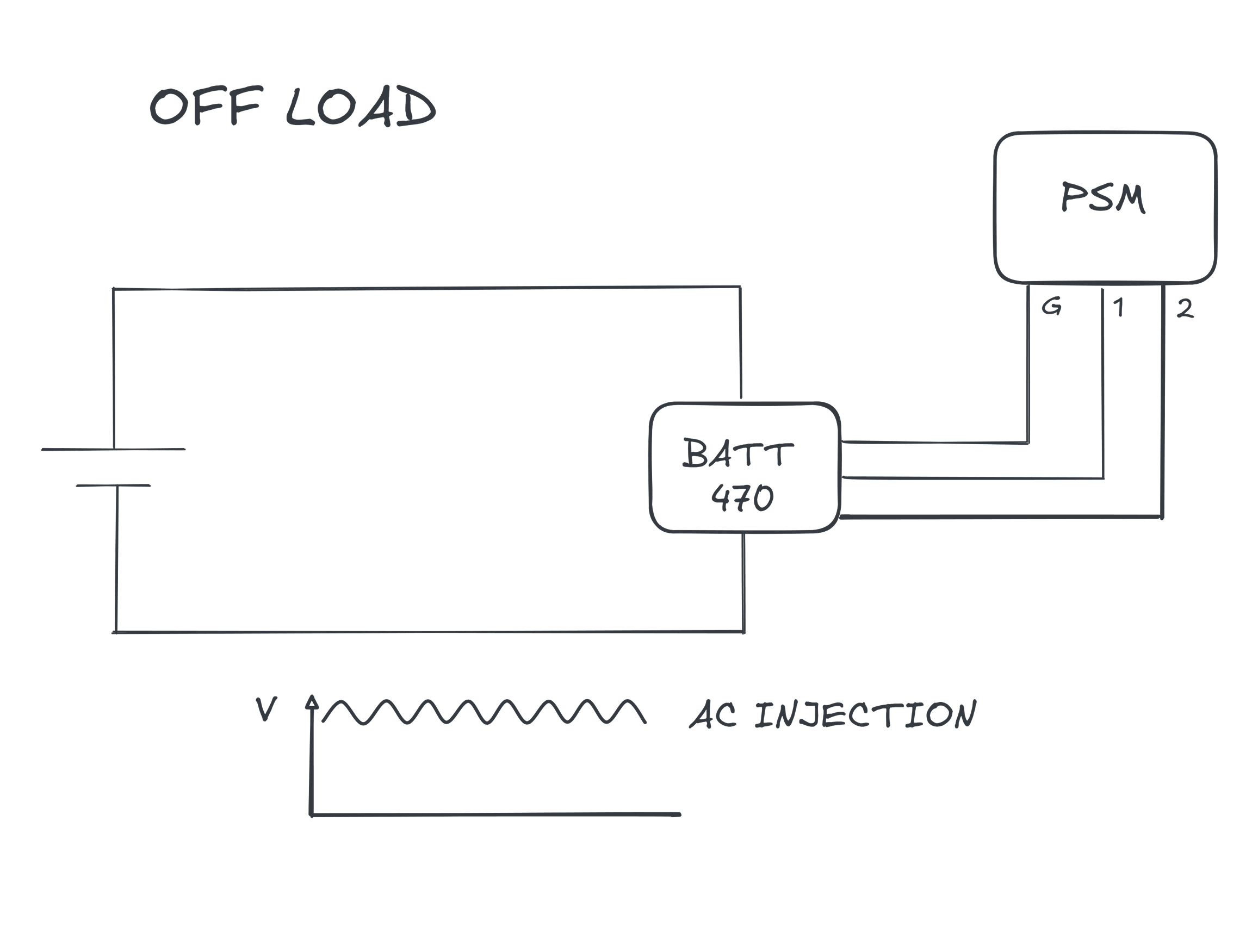
WHAT EIS (Electrochemical Impedance Spectroscopy) of batteries up to 200V DC using a BATT470 and PSM series frequency response analyzer.
WHY Electrochemists use Nyquist impedance plots and associated equivalent circuits to understand the electrochemical structure and changes in the cell at different charge levels over time.
Offers
- DC hold-off up to 200V DC to protect measurement circuits and optimise AC sensitivity
- Capacitive coupling of the generator allows direct injection of an AC disturbance signal
- Hi-Pass filters on the measurement circuit increase measurement resolution
- Control, data acquisition and presentation with PSMComm2 PC software
Battery (onload) Impedance Testing
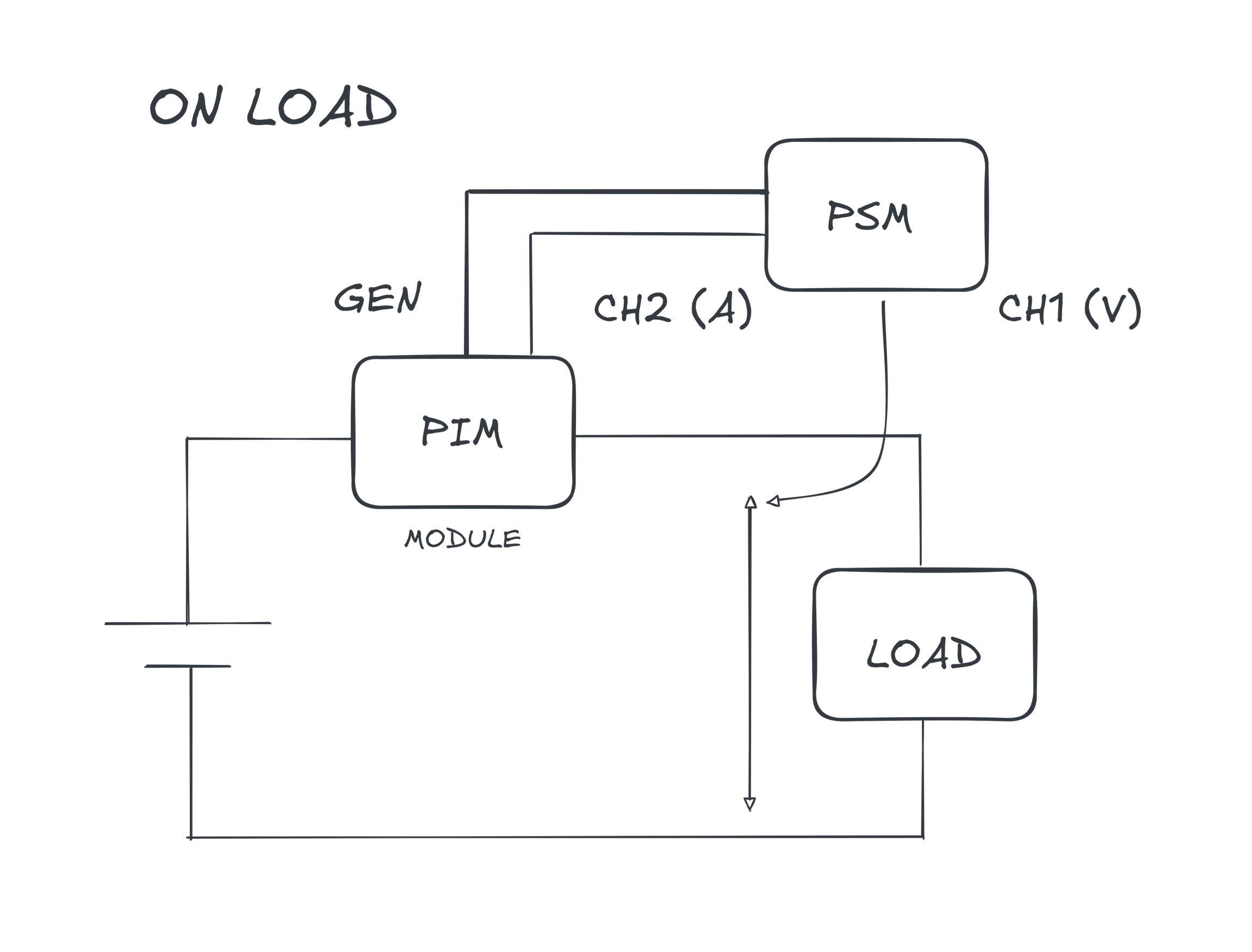
WHAT On-load EIS (Electrochemical Impedance Spectroscopy) of batteries up to 400V DC using a PIM (Power Impedance Module) and PSM3750 frequency response analyzer.
WHY Where Nyquist impedance plots and associated equivalent circuits are required with on load conditions and no suitable dynamic load is available.
Offers
- Direct injection of an AC disturbance into a DC power circuit
- Internal low inductance current shunt for direct, high precision current measurement on the PSM
- 400V DC rated
- 10 or 30Arms models
- Control, data acquisition and presentation with PSMComm2 PC software
Electrical Impedance - DC Input/output
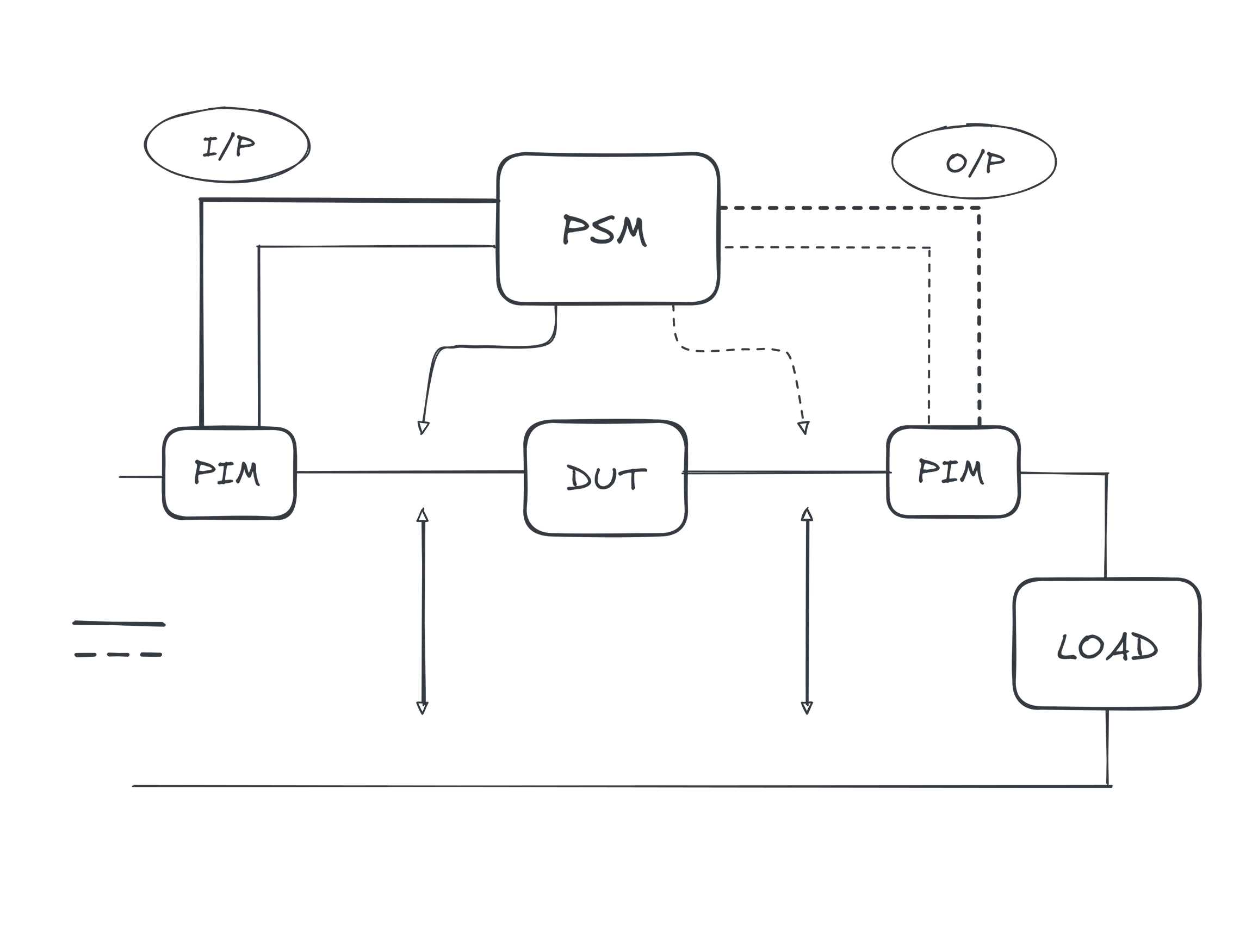
WHAT Measurement of the AC input or output impedance of on-load DC power devices.
WHY DC-DC power supply manufacturers and power system integrators are increasingly required to confirm the input or output AC impedance of product they supply or install.
The demand comes from AC impedance limits set by utility suppliers or system integrators, to ensure predictable operation of power conversion systems.
Offers
Passive Component - 4-wire or 2-wire impedance
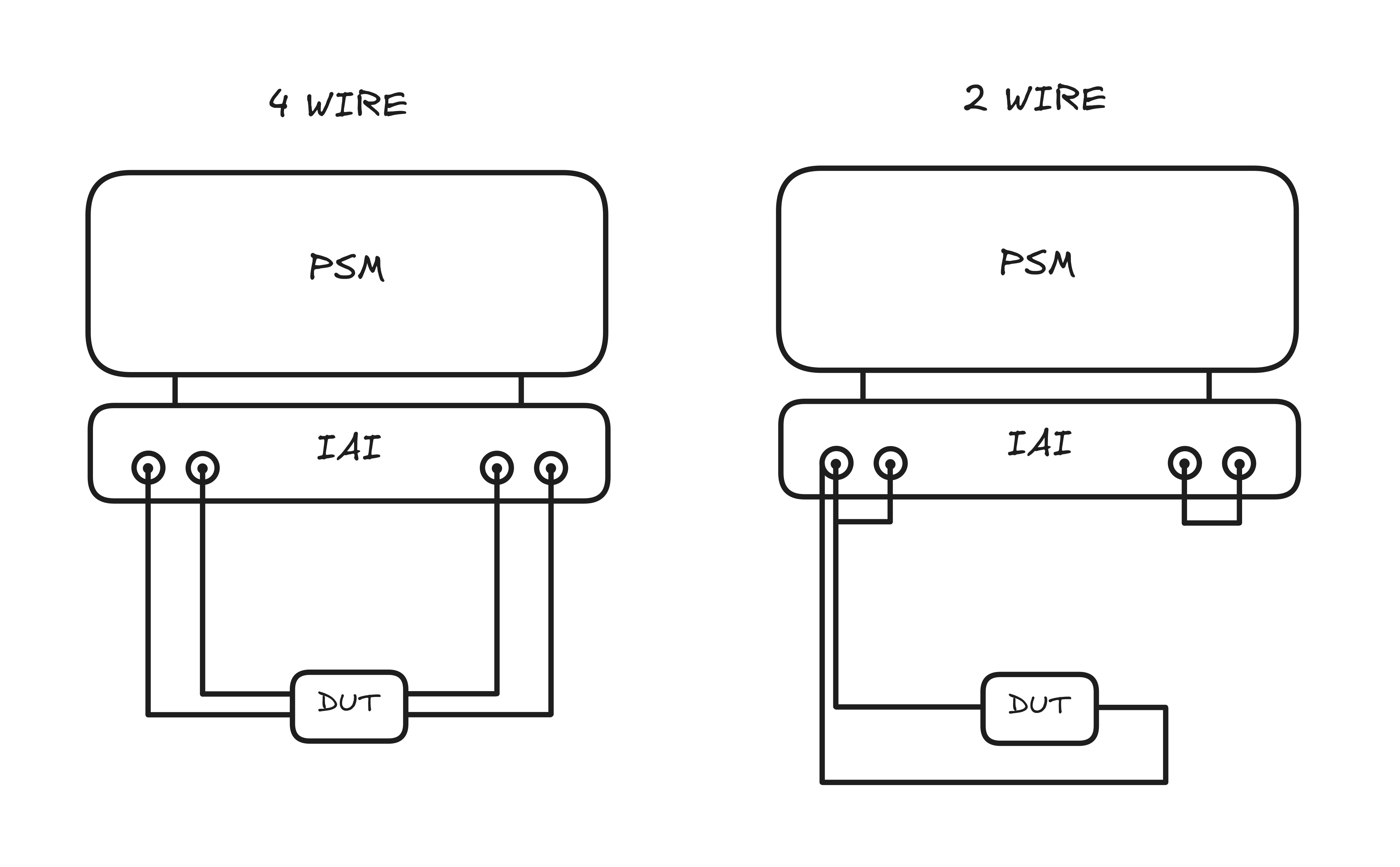
WHAT Configurable impedance measurement accessories that convert PSM series frequency response analyzers into versatile wideband LCR Meters.
WHY Given the varying demands of passive component testing, PSM1700 / 1735 series products are supported with a general purpose LCR Active Head , and all PSM models have the option of an IAI / IAI2 (Impedance Analysis Interface) that can be used in 4-Wire (Kelvin) mode, or 2-wire mode.
Offers
- 3 auto shunts in the LCR Active Head, or 4 auto shunts, wider bandwidth and current amplifier for low impedance in the IAI.
- 2-wire conversion on the IAI to simplify connection to a DUT and optimise measurements when cable lengths must be long.
Very High Impedance - Test System
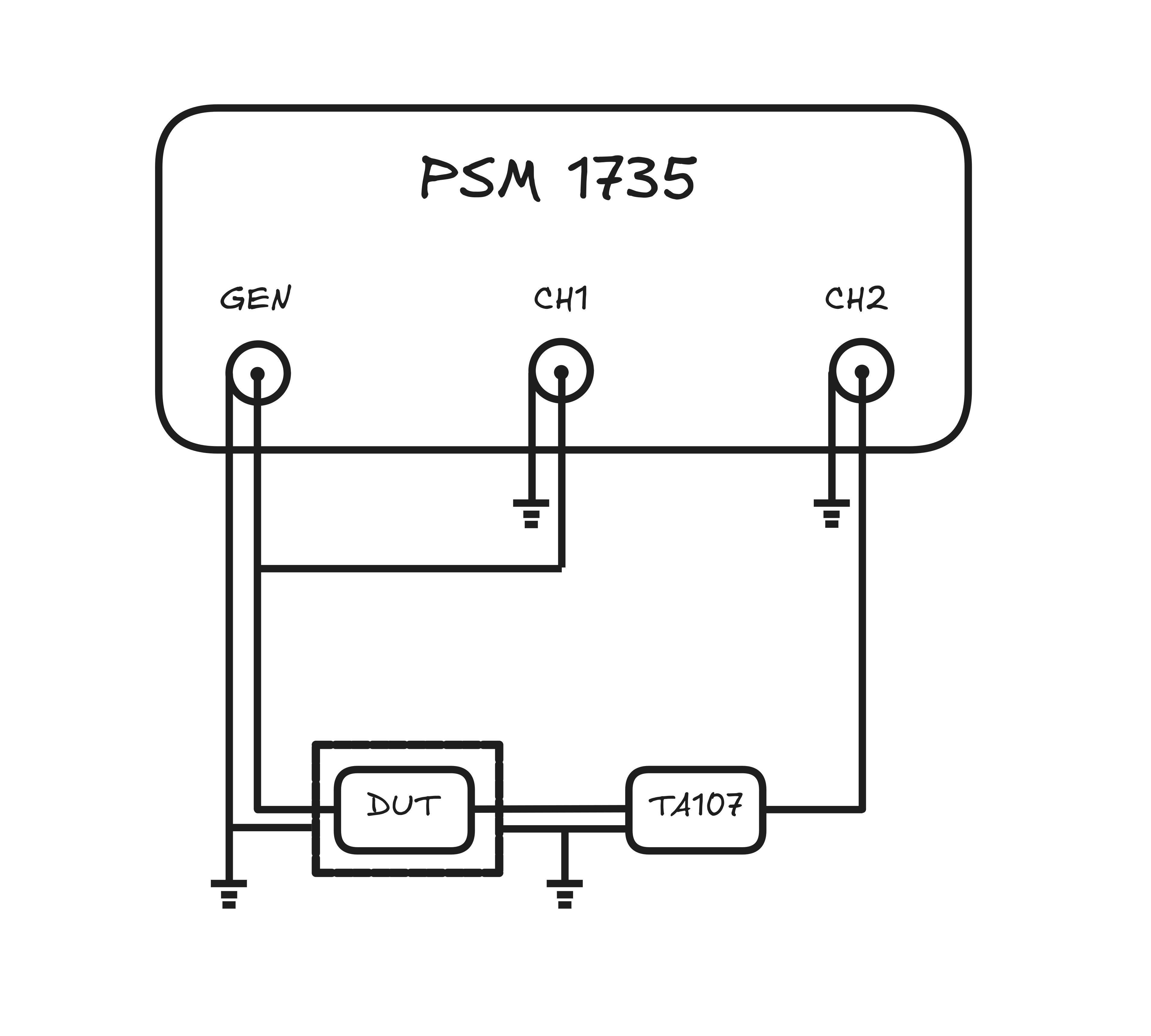
WHAT High gain virtual earth current to voltage amplification in the TA107 Transimpedance Amplifier adds high impedance measurement the PSM1700 / 1735 frequency response analyzers.
WHY An increase in high voltage electronic components and insulating materials associated largely with EV technology, increases demand for measurement of impedance beyond the range of conventional LCR techniques.
Offers