Electronic Components
Inductors, Capacitors and Resistors have nominal values that may require verification at a defined nominal frequency or range of frequencies. However, components are of course not ideal, with parasitic influences that have a varying effect on the impedance of electronic devices over an operating frequency range. The ability of an N4L Impedance analyzer to make measurements over a swept frequency range allows engineers to quantify and conveniently present these effects on individual components or more complex passive circuits.
LCR Impedance over frequency
LCR Impedance over frequency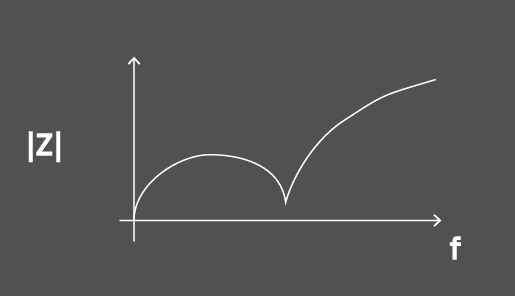
While a perfect resistor would have a constant impedance at any frequency, a real resistor will exhibit a change in impedance as the frequency changes.
Reactance’s exhibit more pronounced change of impedance at different frequencies, with capacitors moving from high to low impedance as frequency increases while inductors will move from low to high with the same frequency change.
In an electronic circuit, the interaction of frequency dependant components plus parasitic impedances associated with the circuit hardware and its geometry, is most effectively understood with frequency response or impedance analysis across the frequency range at which the circuit will operate.
When the operating condition of a device is primarily DC, analysis of AC impedance may seem unnecessary but in many DC applications, for example the growing EV battery industry, AC impedance is a critical measurement, since this directly influences losses associated with the frequency components of a fast-changing DC level.
Filter Design
Filter Design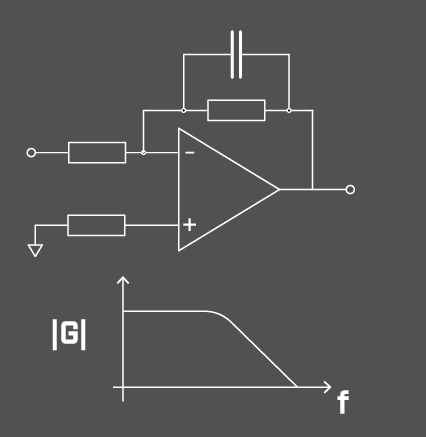
Piezoelectric Devices
Piezoelectric Devices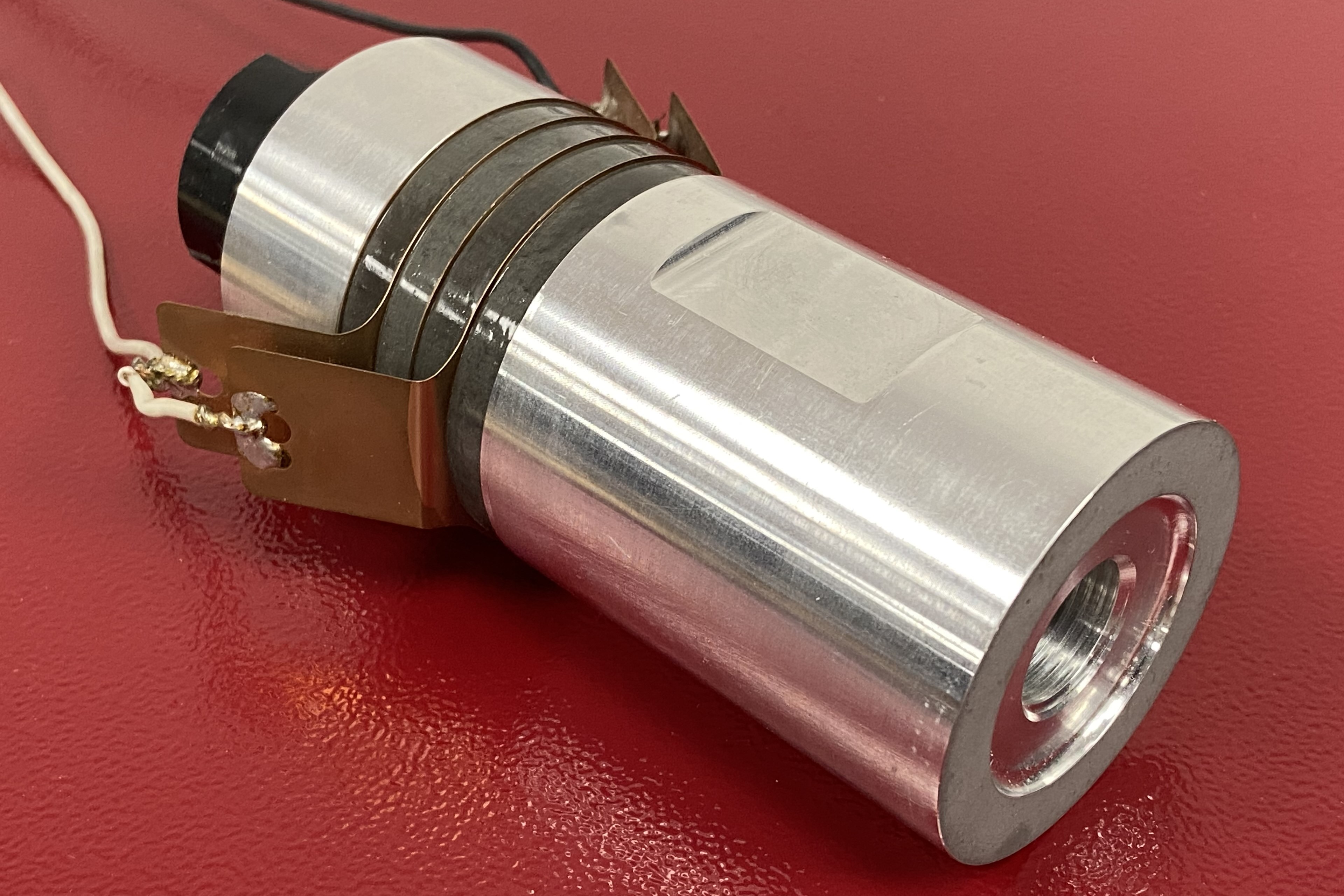
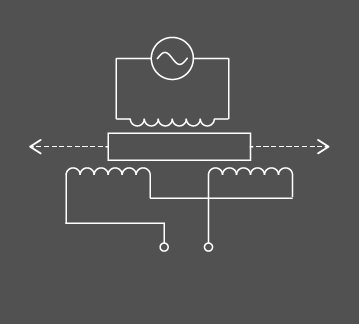
LVDT and RVTD positional sensors
LVDT and RVTD positional sensors