Biological and Electrochemical Analysis
Sometimes referred to as ‘Impedance Spectroscopy’, impedance analysis over a frequency sweep provides an understanding of material structure and behaviour. This process is used in varying forms in a wide range of applications.
Measurement techniques developed by N4L with respect to the measurement of relative magnitude and phase in noisy environments make them particularly well suited to these applications.
Biochemistry and Material analysis
Biochemistry and Material analysis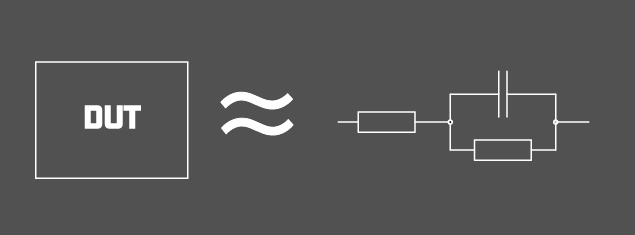
The ability of a material to restrict electron flow is related to its chemical construction and from this, a recognised measurement technique in electrochemistry is a process called DC Voltammetry. This involves either a ‘potentiostat’, that applies a DC voltage across a sample while measuring the current flowing through the sample or a ‘galvanostat‘, that drives a DC current through a sample and measures the resulting voltage.
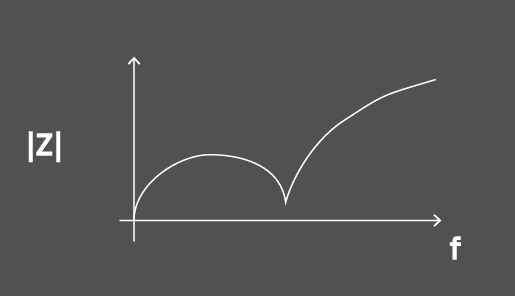
More complex material analysis becomes possible when a measurement technique called ‘impedance spectroscopy’ is used. Here, an AC component is added to the DC component and the resulting plot of impedance over frequency is directly proportional to material structure, which can be presented as an equivalent electrical circuit that would behave in the same way.
Electroplating
Electroplating